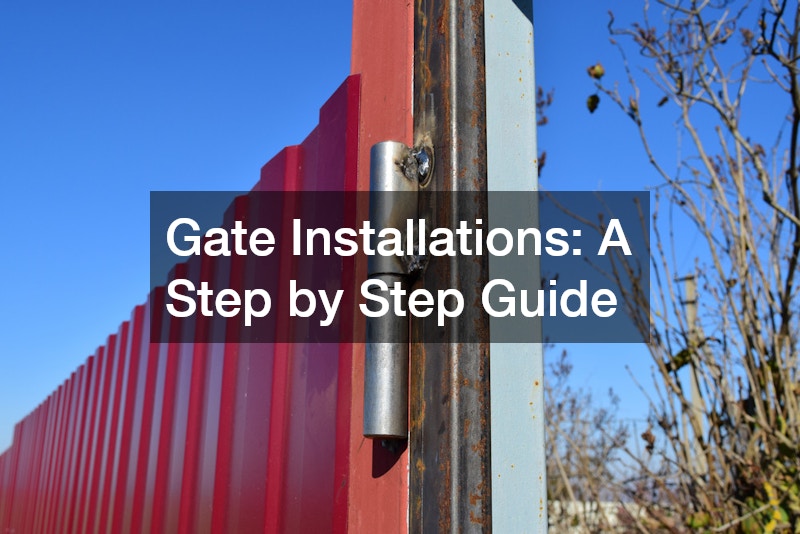
Discover essential steps for installing gates in both residential and commercial settings. Whether for aesthetics, security, or functionality, this guide provides a comprehensive understanding of gate installation. Gates can greatly improve curb appeal and serve as safety barriers. Understanding prerequisites is critical for a successful gate installation. This article equips you to make informed decisions throughout the process.
1. Essential Tools and Materials Needed for Gate Installation
Start with gathering the right tools: measuring tapes, levels, screwdrivers, and wrenches for accurate measurements and fittings. Power drills, post hole diggers, and circular saws might be necessary depending on your gate’s complexity and material choice. Know each tool’s specific purpose for effective installation.
Material choices include wood, steel, aluminum, and vinyl. Wood offers natural beauty but needs maintenance. Steel and aluminum are durable with low upkeep, and vinyl is lightweight and weather-resistant. Consider each material’s pros and cons to choose the best for your property.
Safety gear is essential. Use protective eyewear, gloves, and steel-toed boots to prevent accidents. Having accessories like hinges, latches, and locks ready can streamline the process. Preparation ensures a smooth installation journey.
2. Choosing the Right Gate for Your Property
Understand different gate types and styles: sliding, swing, bi-fold, and automated models. Each serves different environments, so consider functionality and aesthetics. Materials affect appearance and functionality, so align your choice with your property’s design. Research options for a harmonious addition.
Material considerations involve climate, budget, and maintenance. Wood suits traditional styles but needs upkeep. Metals offer security and longevity, and vinyl mimics wood without frequent maintenance. Consider material benefits alongside the gate’s size and dimensions.
Budget and cost planning are crucial. Stay mindful of financial constraints, considering initial purchase, installation, and upkeep. Ensure your choice enhances curb appeal and adds value by balancing functionality, cost-efficiency, and visual appeal.
Ultimately, the right gate not only secures your home but also complements the overall aesthetic, enhancing both functionality and the visual harmony of your property.
3. Steps in the Basic Installation Process
Site preparation is critical for successful installation. Conduct a site inspection and take accurate measurements. Clear obstructions and level the ground for proper post positioning. Consider gate weight and swing for structural support. This careful preparation maintains alignment.
Install posts and frames as the gate’s backbone. Ensure posts are stable and vertically aligned, then secure with concrete. Attach frames to support gate panels. Proper post and frame installations create a robust foundation.
Attach gate panels, ensuring perfect alignment with frames. Use appropriate fasteners, double-check measurements, and install latches, locks, and hardware for security and ease of use. Final inspections complete the installation process efficiently. Regular maintenance checks ensure long-term durability and performance.
4. Permits and Regulations to Consider
Understand local building codes to avoid fines and ensure legal compliance. Regulations cover aspects like height and material use, varying by location. Consult local government for compliance to save time and resources.
Zoning laws may affect gate planning. Height restrictions or aesthetic guidelines might apply. Homeowners Association (HOA) rules may also limit options. Understanding these parameters helps you choose a compliant gate.
Environmental considerations matter for gate permits. Evaluate material’s ecological impact and ensure sustainability. Legal liabilities can arise from environmental damage, emphasizing consulting relevant regulations. This ensures your gate is legally and ethically sound.
5. Maintaining and Troubleshooting Common Gate Issues
Routine maintenance extends your gate’s lifespan. Regularly inspect for wear and ensure smooth operation. Lubricate hinges and locks, and clean surfaces per material type to maintain appearance. A consistent schedule prevents minor issues from escalating.
Rust and corrosion are common issues with metal gates due to moisture exposure. Apply protective finishes and sand affected areas to prevent oxidation. Routine checks are invaluable in combating rust.
Address alignment issues promptly. Misalignments can result from ground shifting or flawed installation. Adjust hinges to realign the gate. For complex repairs, consider professional help to ensure precision.
Additionally, ensure that the gate’s automated mechanisms, if any, are regularly serviced and tested for proper functionality to prevent sudden failures.
This guide helps achieve effective gate installations. Proper planning, execution, and maintenance ensure longevity and functionality. While initially demanding, a well-installed gate offers safety and aesthetic benefits. Embrace learning to integrate your gate seamlessly.