Choosing the right landscaping materials can significantly enhance the beauty and functionality of your outdoor space. This guide aims to provide you with the essential questions and considerations homeowners typically have when selecting the right materials for their landscaping projects. Whether you’re starting from scratch or updating an existing garden, selecting materials that complement your home’s design while being durable is crucial.
Not only should these materials withstand the elements, but they should also align with your environmental values and budget requirements. As you embark on this journey, understanding the range of available options will help you enhance your property’s aesthetic appeal and functional value dramatically.
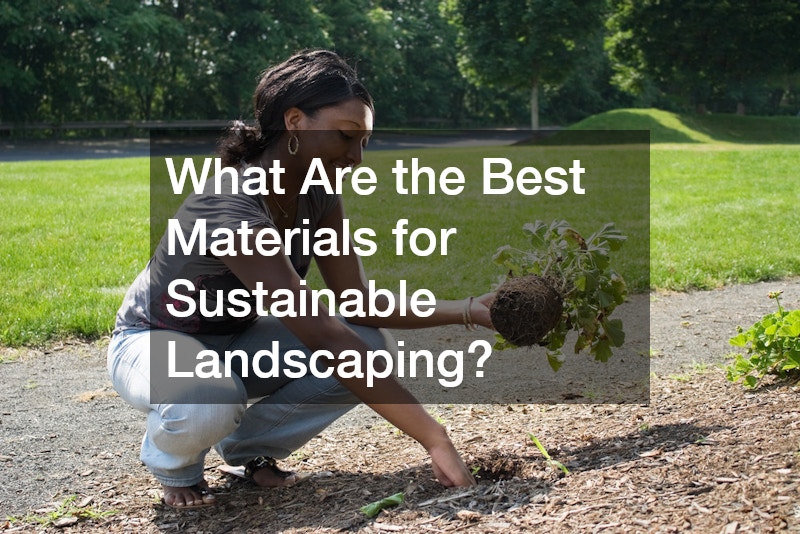
What Are the Best Materials for Sustainable Landscaping?
Sustainable landscaping materials have become increasingly popular among homeowners. At the forefront of sustainable landscaping is the use of materials that reduce environmental impact. Recycled materials, such as crushed concrete and repurposed timber, offer eco-friendly solutions that add texture and character to outdoor spaces. Additionally, many homeowners are turning to native plants, which require less water and are better adapted to the local climate, thus promoting sustainability. These choices not only beautify your space but also contribute positively to the environment by conserving water and reducing waste.
Using locally sourced materials can further enhance the sustainability of your landscaping project. By choosing stones, plants, and other materials that are naturally abundant in your region, you can lower transportation emissions and costs, contributing to environmental conservation. Such practices also support local economies and promote a sense of place by integrating the local culture and natural resources into your landscape design. Each sustainable choice contributes to a healthier planet while also ensuring your outdoor space thrives with minimal environmental impact.
How to Choose the Right Material for Your Climate and Soil Type?
Understanding your local climate and soil conditions is crucial in selecting materials that will endure and enhance your outdoor area. Climate-specific considerations include temperature extremes, rainfall patterns, and humidity levels that will affect the longevity and appearance of landscaping materials. For example, in arid climates, choosing drought-resistant plants and materials that withstand high heat is essential. Conversely, regions with heavy rainfall may require materials like treated wood or composite decking to prevent rot and decay. Tailoring your material choices to your specific climate ensures durability and reduces maintenance needs.
Soil type plays a significant role in determining the success of your landscaping materials and plants. Clay soils, for instance, hold water longer but can be a challenge for certain plants due to poor drainage. By contrast, sandy soils drain quickly but may require amendments to retain nutrients and moisture. Selecting appropriate materials involves understanding these soil characteristics and choosing plants and structural elements that can thrive under such conditions. Testing your soil before selecting materials can provide critical insights, allowing you to amend it accordingly or choose plants that are naturally suited to it.
In addition to climate and soil type, the topography of your property can also influence your choice of materials. Sloped areas may benefit from erosion-control solutions like retaining walls or terracing, which can make use of materials such as stone, brick, or recycled concrete for stability and aesthetics. Low-lying areas that tend to collect water may require raised beds or the incorporation of a rain garden using water-tolerant plants and gravel to manage excess moisture. By considering all these localized factors, you ensure a resilient landscape that harmonizes with its natural surroundings while fulfilling your aesthetic and functional goals.
What Are the Cost Considerations for Different Landscaping Materials?
From initial purchase to maintenance, landscaping material costs can vary significantly. When planning your budget, it’s important to consider the long-term implications of your material choices. Natural stone, for instance, provides timeless beauty and longevity but can be expensive both in terms of initial costs and labor for installation. On the other hand, materials like gravel and decomposed granite offer affordability and ease of installation, though they may require more frequent maintenance. Balancing upfront costs against long-term benefits and maintenance is key to making cost-effective decisions.
Embracing sustainable practices is more than just a trend; it’s a responsible approach to landscaping that benefits both the environment and your home. By making informed choices about sourcing, material types, and long-term impact, you contribute to ecological conservation while creating a delightful outdoor oasis. Remember, the choices you make today will be reflected not only in your immediate enjoyment but also in the preservation of the natural world, encouraging others to follow suit.
As you move forward with your landscaping project, consider seeking professional advice to tailor your selections even further. Experts can provide insights and suggest innovative solutions that enhance your vision with practical considerations. Whether you choose to innovate on your own or collaborate with professionals, the ultimate goal is to create an outdoor space that reflects your values and becomes a cherished part of your daily life. With thoughtful planning and strategic material selection, your landscaping project will be a testament to your commitment to both aesthetics and environmental stewardship.