In the quest to enhance the beauty and functionality of your outdoor spaces, professional landscaping offers an array of benefits and creative options. This article explores expert insights and answers some of the most common questions regarding transformative landscaping projects. Landscaping goes beyond mere planting; it involves a thoughtful design that marries art with nature’s elements to create harmonious spaces. With guidance from a landscaping company, anyone can turn their ordinary garden into an extraordinary oasis. The journey toward achieving a beautifully landscaped area begins with understanding the fundamentals of design and planning. Professional landscaping is an investment in your property that pays off in enhanced curb appeal and heightened personal enjoyment. By employing specialists, you gain access to design expertise and practical knowledge tailored to your garden’s unique characteristics. Likewise, a well-landscaped area can serve as an extension of your living space, making it a sanctuary for relaxation or a hub for entertaining guests. Beyond aesthetics, consider how landscaping can increase your property’s value and contribute to its ecological sustainability. Knowing where to start can pose a challenge; however, this article aims to provide a roadmap for your landscaping journey. Effective landscape planning begins with the basic principles of design, including unity, balance, and proportion. Unity involves selecting elements that complement each other and create a cohesive look, while balance ensures a harmonious distribution of visual weight within the space. Proportion relates to the scale of your landscape elements in relation to the overall area. A successful design often respects these principles, resulting in a sense of order and calm in your garden. Just as in any art, these guidelines help ensure that your landscapes remain engaging yet peaceful. One important aspect of landscape design is understanding the visual plane, which can be divided into the foreground, middle ground, and background. Strategic layering of these planes can create depth and intrigue, much like a painter uses perspective in their work. Choosing varying plant heights and contrasting textures can accentuate these effects further. The clever use of focal points and pathways is fundamental, directing the eye and guiding footsteps throughout the garden. Ultimately, a well-designed landscape offers an experience, taking visitors on a journey through its evolving chapters of natural beauty. Choosing the right plants is a nuanced task that depends heavily on the specific climate and soil conditions of your area. Plants are living organisms, each with their own needs; understanding these is crucial in ensuring they thrive. Researching native plants can be beneficial since they are naturally adapted to the local climate and often require less maintenance. Furthermore, native plants support local ecosystems by providing habitat and food for wildlife. Determining your garden goals will guide the selection process, influencing whether you focus on aesthetics, productivity, or sustainability. Hardscaping involves the incorporation of non-plant elements into your landscape design, such as patios, walkways, and water features. These permanent structures play a pivotal role in shaping the garden’s character and usability. Hardscape choices often echo the architectural style of the home, creating continuity between indoor and outdoor spaces. Materials such as stone, wood, and metal afford a palate through which to express design preferences and complement natural elements. An effective hardscape plan elegantly integrates functionality with aesthetic appeal, serving both practical purposes and design narratives. The thoughtful choice of hardscape materials can sustain weather conditions and natural wear while enhancing the garden’s longevity. Features like retaining walls and raised beds not only optimize space but also add visual interest with their structural forms. In particular, pathways guide traffic flow, promoting accessibility and order throughout the garden. A well-designed hardscape invites exploration while providing areas for rest and recreation. It’s important that these elements are scaled appropriately and positioned strategically to harmonize with the softer, living parts of the landscape. As we’ve explored, successful landscaping combines the art of design with the science of horticulture. It offers the opportunity to transform underutilized areas into vibrant, multifaceted spaces. From selecting the right plants to installing complementary hardscapes, the journey is comprehensive but rewarding. Sustainably managed landscapes can contribute positively to local ecosystems and reduce environmental footprints. By investing energy and creativity in your surroundings, you cultivate a sanctuary that enhances quality of life throughout all seasons. With patience and informed choices, any outdoor space can be transformed into an area that provides joy and respite. Your landscape can serve as a personal retreat or a functional space for social activities. By embracing both creativity and pragmatism, landscaping proves to be a valuable and fruitful pursuit. Whether starting fresh or refining an existing garden, the principles outlined here serve as stepping stones towards achieving an optimal outdoor space. Ultimately, a professionally landscaped garden becomes a living artwork, constantly evolving and bringing pleasure to all who experience it. The Basic Principles of Landscape Design Guide Effective Outdoor Planning
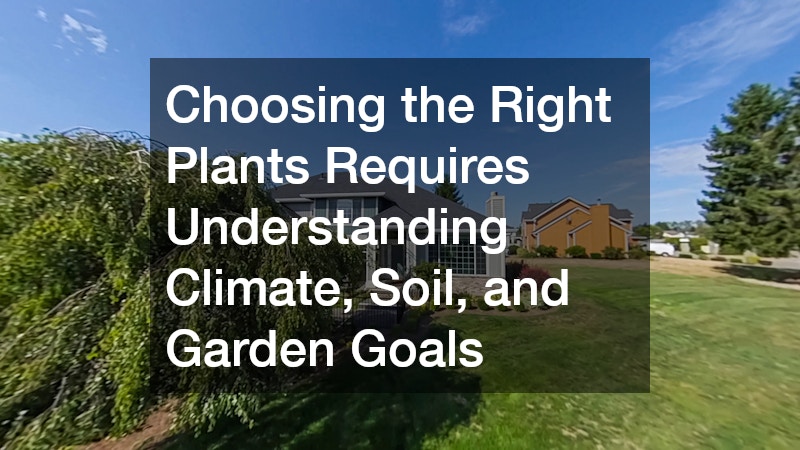
Choosing the Right Plants Requires Understanding Climate, Soil, and Garden Goals
Hardscaping Elements Should Be Carefully Selected to Enhance Outdoor Function and Aesthetics