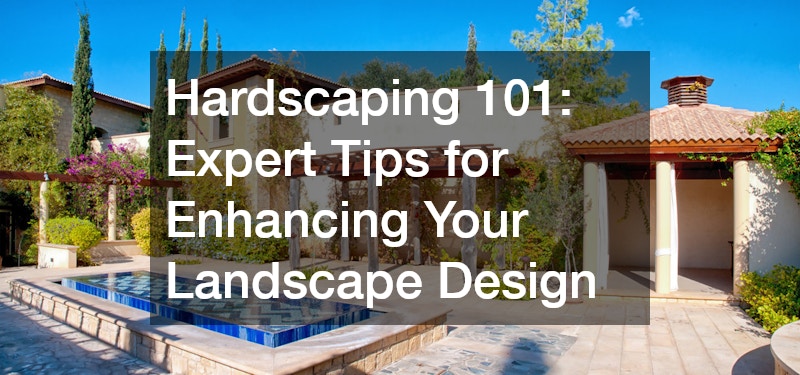
Delve into a world of creativity and functionality as you explore how to elevate your landscape design with expert tips and insights in hardscaping. This introduction to the art and technique of hardscaping will provide you with the knowledge to transform your outdoor spaces into stunning, personalized havens. By incorporating various elements such as patios, pathways, and retaining walls, you can enhance the aesthetic appeal and value of your property.
Whether you’re a seasoned landscaper or a DIY enthusiast, these insights will inspire you to create a harmonious blend of natural beauty and architectural elegance.
1. What is Hardscaping and Why is it Important?
1.1 Definition and Elements of Hardscaping
Hardscaping involves non-living elements like stone, concrete, and wood in landscape design, adding structure and functional outdoor spaces, increasing property value, and complementing landscaping. Material choice affects ambiance, texture, and durability, requiring careful planning.
1.2 Hardscaping vs. Landscaping: Key Differences
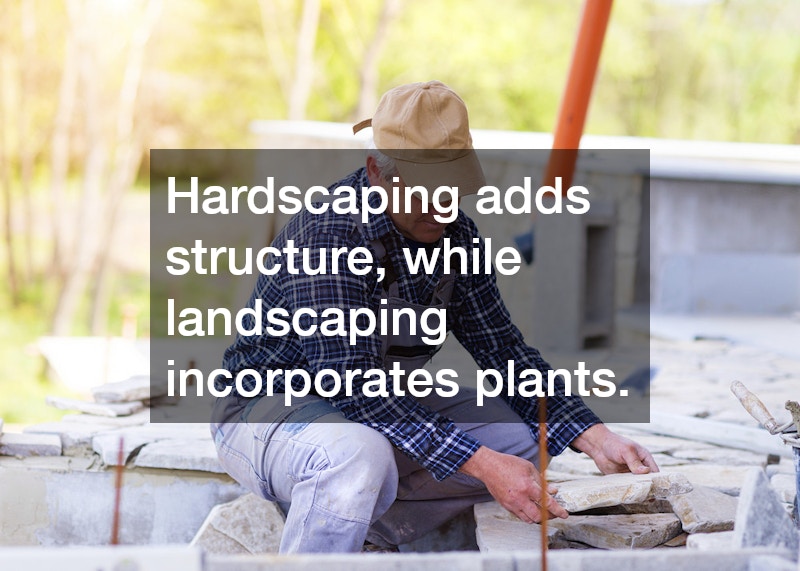
Distinguishing hardscaping from landscaping is crucial for successful design. Hardscaping adds structure, while landscaping incorporates plants. Achieving harmony between them enhances functionality and aesthetics, creating cohesive outdoor spaces.
Hardscaping offers durability, complemented by landscaping’s beauty and biodiversity. Together, they enhance usability, with examples like pathways lined with shrubs demonstrating their complementary nature.
Plan landscapes recognizing the interplay between hardscape and landscape elements. Proper placement mitigates issues like erosion, fostering a balanced environment.
1.3 The Benefits of Integrating Hardscaping into Your Landscape
Hardscaping enhances outdoor spaces through durability, low maintenance, property value increase, and environmental benefits like stormwater management. Versatile features expand living areas, offering spaces for entertainment and relaxation.
2. How Do I Get Started with Hardscaping?
2.1 Planning and Designing Your Hardscape
Start by evaluating your landscape and planning features that enhance functionality and aesthetics. Consider home architecture and environment, and use blueprints for placement. Collaboration with designers ensures practicality and cohesion.
Effective planning addresses current needs and future developments, considering use, lighting, and seasonal impacts. A mix of elements adds visual and functional benefits.
2.2 Choosing the Right Materials for Your Environment
Select materials based on climate, soil, style, and sustainability. Consider options like locally sourced stone or recycled materials for reduced environmental impact. Align material choice with durability and maintenance expectations.
2.3 Hiring Professionals vs. DIY Approaches
Decide between professional help and DIY based on project scope and personal skills. Professionals offer expertise and peace of mind, while a DIY approach provides customization and satisfaction. Consider hybrid options for balanced results.
3. What are the Best Hardscaping Materials?
3.1 Pros and Cons of Popular Hardscaping Materials
Evaluate materials like natural stone, concrete, and brick for their unique benefits and drawbacks. Consider cost, installation, and maintenance to align with your design vision and budget.
3.2 Sustainable and Eco-friendly Options
Eco-friendly materials reduce environmental impact and offer benefits like water infiltration and character. Choose local, sustainable materials, and integrate features like solar lighting for efficiency.
3.3 How to Maintain and Care for Hardscaping Materials
Regular maintenance ensures the longevity and appearance of hardscape elements. Use appropriate cleaning techniques, sealants, and address drainage issues. Tailor maintenance to local climates for resilience and beauty.
4. How Can Hardscaping Enhance the Aesthetics of My Landscape?
4.1 Incorporating Hardscaping Features: Patios, Walkways, and More
Integrate patios and walkways to enhance landscape functionality and aesthetics. Choose materials to complement the environment, and consider features like seating and planters for added appeal.
4.2 Creating Focal Points with Hardscape Elements
Use hardscape elements to establish focal points, guiding attention and enhancing visual appeal. Features like fountains and sculptures add interest, while fire and water elements enrich ambiance.
4.3 Integrating Plants and Greenery with Hardscaping
Integrate plants with hardscaping to balance nature and structure. Select complementary plants, use vertical plantings, and ensure compatibility through thoughtful design and maintenance.
5. What are the Costs Involved in Hardscaping Projects?
5.1 Budgeting for a Hardscaping Project
Budget by defining goals and estimating costs for materials, labor, and additional features. Consider both upfront costs and long-term savings, utilizing strategies like phased implementation.
5.2 Factors Affecting the Cost of Hardscaping
Cost factors include scale, material choice, design complexity, and location. Understand these to adjust the project scope in alignment with the budget.
5.3 Cost-effective Hardscaping Strategies
Adopt cost-effective strategies like simplified designs and local materials. Stage implementation for better financial management and leverage seasonal opportunities for savings.
Hardscaping offers aesthetic, functional, and value enhancements. Balance hardscape with landscape to create beautiful, enjoyable spaces, using planning and smart material selections. Achieve successful transformations that respect ecological practices and personal vision.