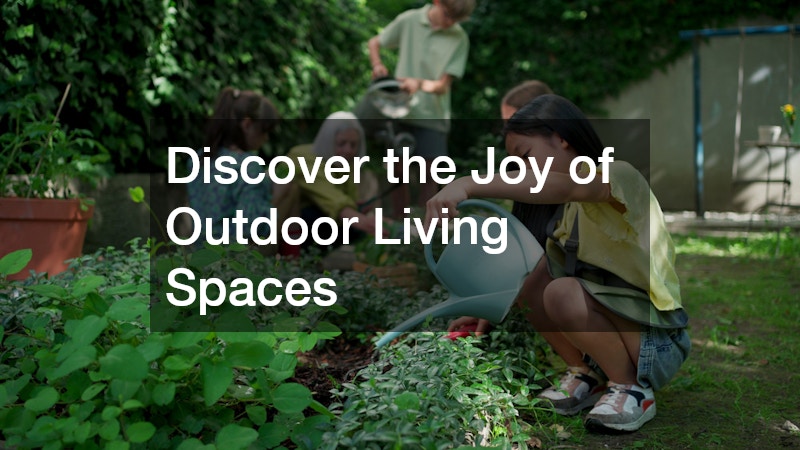
Explore the endless possibilities and benefits of creating outdoor living spaces that can enhance your lifestyle and bring you closer to nature. A well-designed outdoor area extends your living environment beyond your walls, offering space for relaxation, entertainment, and everyday enjoyment while strengthening your connection to the natural world. With the right combination of comfort, functionality, and sustainability, outdoor living spaces can become an integral part of how you use and experience your home year-round.
Essential Elements of a Functional Outdoor Living Space
The importance of selecting the right furniture for relaxation and social gatherings cannot be overstated. Comfortable seating provides the foundation for enjoyable outdoor living, serving as the focal point for family gatherings and peaceful retreats. Invest in high-quality, weather-resistant materials to ensure longevity and comfort in your outdoor furniture.
A mix of sofas, lounge chairs, and dining sets can cater to various activities while maintaining a cohesive aesthetic. Consider adding cushions and throws to add warmth and style to the space, encouraging prolonged use throughout the seasons. Choosing ergonomic designs and durable fabrics helps enhance both the visual appeal and functionality of your seating arrangements.
Shade and Shelter
Incorporating elements like pergolas, umbrellas, or canopies provides crucial protection from the elements. These structures offer respite from the sun’s harsh rays, making it possible to enjoy your outdoor space at any time of the day. Shade and shelter also extend the usability of an outdoor space into the rainier seasons.
Beyond their practical purposes, these elements add architectural interest and define specific zones within an outdoor area. Choosing designs that complement your home’s architecture enhances the seamless transition between indoor and outdoor living. Options like retractable awnings add flexibility and ensure that you can adapt to varying weather conditions easily.
Lighting
Enhancing ambiance and usability with the right lighting options is crucial for an inviting outdoor space. Lighting can dramatically alter the perception of a space, creating mood and atmosphere while also providing essential illumination for safety. Options like string lights, lanterns, and solar-powered fixtures provide both decorative and functional benefits.
Strategically placed lights can highlight architectural features, landscape elements, and pathways. Combining different lighting types, such as ambient, task, and accent lights, creates a layered effect that enhances every aspect of your outdoor living area. Low-voltage systems are both energy-efficient and easy to install, offering a secure way to illuminate the night.
Designing an Outdoor Space That Enhances the Natural Environment
Using native plants to create a sustainable and aesthetically pleasing environment promotes ecological balance and resilience. Native plants are adapted to local climates, requiring less water and maintenance compared to non-native species. Their use reduces the need for chemical fertilizers and pesticides, supporting biodiversity and wildlife habitats.
Choosing a variety of plants that bloom at different times ensures year-round beauty and interest in your garden. Incorporate evergreens, perennials, and shrubs to maintain structure and texture even in dormant seasons. By offering food and shelter, native plants attract beneficial insects and birds, creating a lively but balanced ecosystem.
Water Features
Incorporating ponds, fountains, or waterfalls to create a tranquil setting amplifies the sensory experience of an outdoor space. The sound of flowing water can drown out background noise, providing a soothing backdrop to relaxation or meditation. Water features become focal points that draw the eye, adding dynamic movement and reflection to your landscape.
Selecting the right feature depends on your space and personal preferences. Ponds can be natural habitats for fish and plants, while fountains and waterfalls offer more structured, contained options. Sustainability considerations include using recirculating systems and choosing native aquatic plants that support local flora and fauna.
Eco-friendly Materials
Selecting and utilizing materials that are environmentally friendly and sustainable can significantly reduce your outdoor area’s carbon footprint. Sustainable options like reclaimed wood, recycled composites, or bamboo provide durability, aesthetics, and eco-friendliness. These materials often have minimal processing requirements, lowering energy consumption.
As outdoor spaces become more integral to our lifestyles, choosing eco-friendly materials contributes to global efforts to combat climate change. Products made from recycled content also reduce waste and landfill use, preserving natural resources for future generations. Opting for locally sourced materials minimizes transportation emissions and supports local businesses.
Maintaining and Protecting Your Outdoor Living Space Year-Round
Guidelines for routine maintenance tasks to keep your outdoor area pristine are crucial for longevity and aesthetics. Regular cleaning of surfaces, furniture, and landscaping components prevents the buildup of dirt and debris. Seasonal tasks, like pruning and reseeding, maintain plant health and readiness for growth in each cycle.
Adapting your care routine to the challenges of each season ensures a thriving outdoor environment. In spring, focus on planting and nurturing new growth, while summer requires frequent watering and pest monitoring. Fall is an ideal time for cleaning, aerating, and preparing your space for winter dormancy.
Weatherproofing Techniques
Steps to ensure your outdoor space can withstand various weather conditions are essential for year-round enjoyment. Using weather-resistant materials and protective coatings shields surfaces from the effects of sun, rain, and snow. Routine checks and maintenance of these protections can prolong their effectiveness and your space’s longevity.
Implement physical barriers, such as windbreaks or rain covers, for additional protection against harsh weather elements. Permanent structures, like gazebos or arbors, can serve as both decorative and functional features. For added flexibility, use removable or adjustable features that can be stored or repositioned based on seasonal needs.
Outdoor living spaces enhance your home experience, offering joy, relaxation, and connectivity with nature. Proper planning and maintenance can create a lasting oasis in your own backyard. With careful design, a commitment to sustainability, and regular upkeep, your outdoor living space can provide comfort and beauty for years to come.