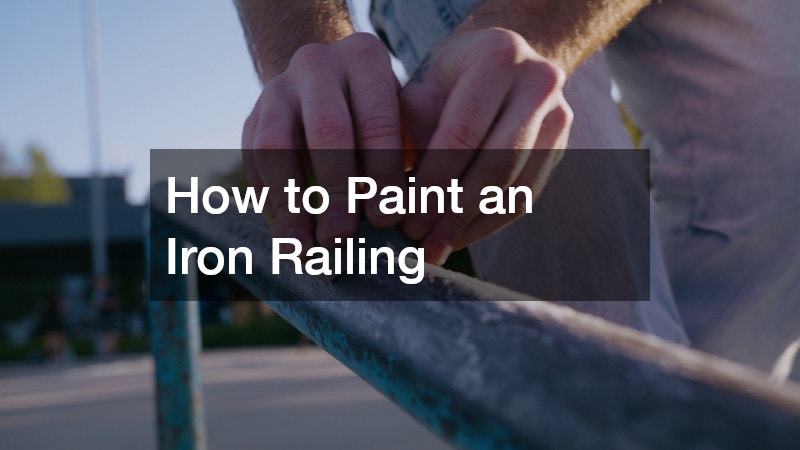
Painting an iron railing enhances your property’s appearance and offers protection against environmental elements. Proper surface preparation ensures paint adhesion and longevity. Choosing suitable materials is key to achieving durability and aesthetic appeal.
Additionally, painting can increase the property value due to improved visual appeal.
How to Prepare an Iron Railing for Painting?
Assessing the Condition
Examine the railing for rust or structural damage. Use a scraper or a wire brush to remove any flaking rust or paint. Repair damaged sections to ensure safety and longevity, establishing a solid foundation for painting. Identifying underlying issues early prevents future complications after painting.
Cleaning the Surface
Ensure cleanliness for proper paint adhesion. Clean with detergent and water, removing grime and dirt. Rinse well and dry the railing completely to avoid bubbles or peeling. For heavily soiled railings, use a power washer. A meticulous cleaning process is crucial for achieving a smooth paint finish.
Removing Rust and Old Paint
Remove rust and old paint for a professional finish. Sand or brush away rust and peeling paint. Apply rust converter for stubborn rust. Clean again to prevent dust and debris under fresh paint. Thorough preparation sets the stage for a durable and attractive paint job.
What Type of Paint is Best for Iron Railings?
Choosing the Right Type of Paint
Oil-based paints are recommended for endurance and weather resistance on metal. Acrylic paints for outdoor metal use also offer durability. Ensure compatibility to prevent peeling or chipping for lasting results. Investing in high-quality paint minimizes maintenance and repair needs over time.
Understanding Paint Finish Options
The paint finish affects the railing’s appearance and maintenance. Glossy finishes are shiny and easy to clean; matte finishes are understated and modern. Satin finishes balance both. Consider decor and preferences for the desired effect. Different finishes can also impact the visibility of imperfections on the surface.
Color Selection Tips
Color enhances property aesthetics. Neutral colors are versatile; bold colors contrast with architecture. Consider climate effects, as dark colors absorb more heat. Choose a color reflecting personal style and harmonizing with surroundings. Color choice can influence overall ambiance and perception of the space.
Is Primer Necessary for Painting Iron Railings?
Benefits of Using Primer
Primer enhances paint adhesion and lifespan, prevents peeling, and provides a uniform surface. It also adds moisture and rust protection, crucial for a durable finish. Utilizing a primer can significantly extend the life of the paint coat.
Types of Primers Appropriate for Iron
Suitable primers include zinc-rich for rust prevention and epoxy for adhesion. Metal etching primers offer an all-purpose solution. Ensure primer compatibility with the metal surface and paint for longevity and quality. A well-chosen primer can also improve surface smoothness and finish quality.
Application Techniques for Primer
Apply primer with a brush or roller, ensuring full coverage, especially at joints and edges. Follow drying instructions before painting. Proper application ensures a flawless paint job. Attention to detail during primer application prevents future paint failures.
How to Apply Paint on an Iron Railing?
Tools Required for Painting
Essential tools include brushes, rollers for large surfaces, trays, stir sticks, and protective gear. Quality tools enhance the painting process and results. Proper equipment contributes to ease and precision during application.
Techniques for Even Paint Application
Apply thin coats for faster drying and fewer drips. Use smooth strokes for even coverage. Good weather conditions help drying; apply multiple coats, allowing each to dry fully. Ensuring even application reduces material waste and improves finish consistency.
Drying and Curing Process
Drying makes paint safe to touch, while curing hardens it completely. Curing may take days to weeks, ensuring optimal bonding and protection. Allow sufficient time for curing to achieve maximum paint hardness and durability.
What Maintenance is Needed After Painting?
Regular Cleaning and Inspection
Regular maintenance preserves appearance and functionality. Clean with mild soap, inspect for rust, and undertake prompt repairs. Consistent upkeep prevents minor damage from escalating into costly repairs.
Touch-up Strategies for Damage
Use spare paint for touch-ups on chips or scratches. Apply with a small brush and blend edges. Timely touch-ups maintain aesthetics and prevent moisture exposure. Handling flaws promptly helps in extending the railing’s lifespan.
Long-term Protection Measures
For added protection, apply clear topcoats, rust inhibitors, or protective waxes to sustain paint and metal quality. Effective protective measures safeguard against environmental wear and tear.
Painting an iron railing improves aesthetics and preserves structure. By choosing quality materials, preparing the surface, and applying paint thoughtfully, you create a lasting finish. Regular maintenance ensures both paint and metal remain in excellent condition, enhancing the property’s beauty and extending the life of the railing. Overall, a properly painted railing is a valuable investment in both safety and curb appeal.