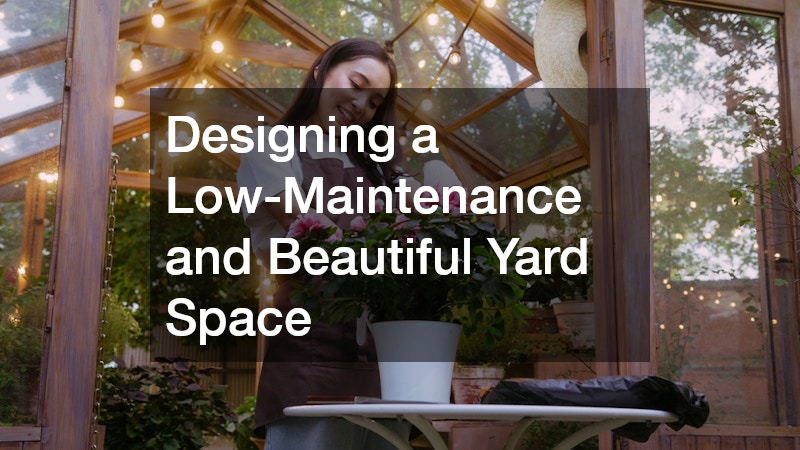
Creating a yard that looks polished without requiring constant upkeep is a goal for many homeowners. With busy schedules and changing priorities, spending hours every weekend on maintenance simply isn’t practical. The good news is that with the right approach, you can design an outdoor space that stays attractive, functional, and easy to manage year-round.
A low-maintenance yard doesn’t mean sacrificing beauty—it means making smarter decisions about layout, materials, and long-term care. By focusing on efficiency and durability, you can create a space that enhances your home while giving you more time to enjoy it.
Start With a Smart Layout That Reduces Upkeep
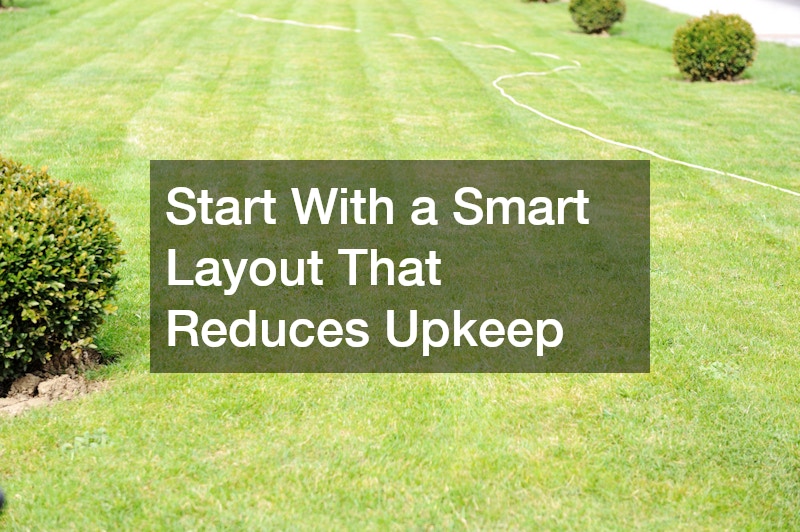
A well-planned layout is the foundation of any low-maintenance yard. Before choosing plants or materials, think about how the space will be used and how people will move through it. A thoughtful design reduces unnecessary wear and minimizes the effort needed to maintain each area.
Start by dividing your yard into clearly defined zones. This not only improves functionality but also helps you control where maintenance is required. High-traffic areas should be durable, while decorative zones can be more flexible.
For example, positioning doors to the patio in a way that aligns with natural walking paths prevents people from cutting across grass or landscaping, reducing damage and ongoing repairs.
Practical layout strategies:
- Keep lawn areas smaller and more contained to reduce mowing, watering, and edging time each week
- Use straight or gently curved pathways instead of complex, winding designs that are harder to edge and clean
- Place seating and dining areas close to the home so they’re easier to access and maintain regularly
- Avoid narrow or awkward planting beds that are difficult to weed, mulch, or irrigate efficiently
- Design with future plant growth in mind to prevent overcrowding and the need for frequent pruning or replanting
- Create defined borders using edging materials to prevent grass or gravel from spreading into other areas
- Limit elevation changes unless necessary, as slopes can increase erosion and complicate maintenance
- Position high-traffic areas on durable surfaces to prevent worn patches and muddy spots
- Plan utility access points (water, lighting, drainage) early to avoid costly redesigns later
A clean, efficient layout ensures your yard works with you—not against you.
Choose Durable Structures That Require Minimal Maintenance
Outdoor structures should enhance your space without creating ongoing work. Choosing durable materials from the beginning can significantly reduce maintenance needs over time.
Metal, composite, and treated materials are ideal for structures that need to withstand weather, pests, and general wear. A custom metal building is a great example of a long-lasting addition that provides both function and durability. It can serve as a storage area, workshop, or even a covered outdoor space.
Working with experienced metal building contractors ensures that the structure is properly installed and built to last, which prevents costly repairs or replacements later.
What to prioritize when selecting structures:
- Weather-resistant materials that won’t warp or rot
- Minimal maintenance finishes that don’t require repainting
- Strong construction to handle seasonal changes
- Designs that blend with your overall yard aesthetic
- Easy access for cleaning and organization
Investing in durable structures upfront eliminates the need for constant upkeep and repairs.
Simplify Landscaping With Strategic Plant Choices
The plants you choose can either simplify or complicate your yard care. Strategic selection is key to achieving a low-maintenance landscape that still looks lush and inviting.
Opt for native plants and drought-tolerant varieties that thrive in your local climate. These plants typically require less watering, fertilizing, and attention. Avoid fast-growing species that quickly become overgrown and require frequent trimming.
Professional tree trimming companies can help maintain trees, keeping them healthy and manageable. Regular trimming prevents overgrowth and reduces the risk of falling branches.
In some cases, tree removals may be necessary to eliminate problematic trees that cause excessive debris, shade issues, or root damage.
Low-maintenance planting tips:
- Use mulch to retain soil moisture, suppress weeds, and reduce how often you need to water or maintain beds
- Group plants with similar sunlight and water needs to simplify irrigation and prevent over- or under-watering
- Choose perennials over annuals to eliminate the need for replanting each season
- Space plants properly at installation to avoid overcrowding, which leads to disease and extra trimming
- Select disease-resistant and pest-resistant varieties to minimize chemical treatments and plant loss
- Prioritize slow-growing shrubs and trees that maintain their shape with minimal pruning
- Incorporate evergreen plants for year-round structure and reduced seasonal cleanup
- Use ground cover plants to fill empty spaces and reduce weed growth naturally
- Avoid high-maintenance flowering plants that require frequent deadheading or special care
With the right plant choices, your yard can stay vibrant without constant attention.
Install Proper Drainage to Prevent Future Problems
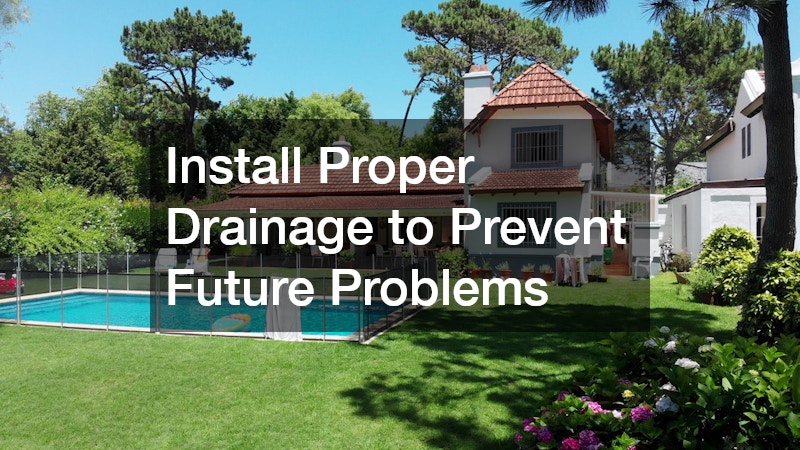
Poor drainage can quickly turn a beautiful yard into a maintenance nightmare. Water that doesn’t flow properly can damage plants, erode soil, and create muddy areas that are difficult to manage.
Addressing drainage early helps you avoid these issues and keeps your yard functioning smoothly. Hiring experienced french drain installers ensures that water is redirected away from key areas, protecting both your landscaping and your home.
Good drainage systems also reduce the likelihood of standing water, which can attract pests and create unpleasant conditions.
Signs your yard may need drainage improvements:
- Water pooling after rain
- Soggy or uneven ground
- Erosion around plants or pathways
- Persistent muddy patches
- Water near your home’s foundation
Effective drainage solutions:
- French drains to redirect water flow
- Grading adjustments to improve runoff
- Permeable surfaces that absorb water
- Decorative dry creek beds for both function and aesthetics
Proper drainage minimizes long-term maintenance and prevents recurring issues.
Minimize Lawn Care With Alternative Ground Covers
Lawns are one of the most maintenance-heavy parts of any yard. Reducing the amount of grass you have can significantly cut down on time and effort.
Replacing sections of grass with alternative materials creates a cleaner, more modern look while reducing the need for mowing and watering. Gravel, mulch, and ground cover plants are excellent options.
If you choose to maintain some lawn areas, working with a lawn care service can help keep things manageable without requiring constant effort from you.
For hardscape elements, coordinating materials through a concrete delivery service ensures efficient installation and long-lasting results.
Popular low-maintenance ground cover options:
- Decorative gravel or stone for pathways and open areas, offering durability and minimal upkeep
- Mulch beds for planting zones, which help retain moisture and suppress weeds effectively
- Artificial turf for a consistently green look without mowing, watering, or fertilizing
- Low-growing plants like clover or creeping thyme that require little trimming and stay compact
- Paver systems combined with gravel joints to reduce weed growth and simplify cleaning
- Bark or wood chips for natural-looking coverage in shaded or low-traffic areas
- Xeriscaping elements that use drought-resistant materials and plants for ultra-low water usage
Benefits of reducing lawn space:
- Less watering leads to lower utility bills and more sustainable landscaping
- Reduced need for fertilizers, pesticides, and lawn treatments
- Fewer hours spent mowing, edging, and maintaining grass
- Lower equipment costs and less wear on tools like mowers and trimmers
- A cleaner, more modern aesthetic with defined zones and textures
- Improved drainage and reduced muddy areas during rainy seasons
- Greater flexibility to design creative and functional outdoor spaces
Cutting back on grass is one of the easiest ways to simplify your yard.
Build Hardscapes That Last for Years
Hardscaping provides structure and durability, making it an essential part of a low-maintenance yard. Well-built patios, walkways, and retaining walls can last for decades with minimal upkeep.
Choosing high-quality materials is key. Concrete, natural stone, and pavers are all excellent options that hold up well over time. Planning ahead with a reliable concrete delivery service ensures your project runs smoothly and the materials meet your expectations.
Integrating your indoor and outdoor spaces also improves usability. Thoughtfully placed doors to the patio create a seamless transition and encourage more use of your outdoor areas.
Hardscape design tips:
- Use durable materials that resist cracking and wear
- Choose simple patterns that are easier to maintain
- Incorporate slight slopes to prevent water buildup
- Seal surfaces to extend their lifespan
- Limit the number of joints to reduce weed growth
A strong hardscape foundation reduces maintenance while enhancing the overall look of your yard.
Keep Your Yard Pest-Free With Minimal Effort
Pest control is an important part of maintaining a comfortable outdoor space. Instead of reacting to infestations, a proactive approach keeps problems from developing in the first place.
A professional pest control contractor can provide preventative treatments that target common pests before they become an issue. This reduces the need for ongoing intervention.
For outdoor comfort during warmer months, mosquito fogging can help control mosquito populations and make your yard more enjoyable.
Ways to naturally reduce pests:
- Eliminate standing water in gutters, planters, and low spots to prevent mosquito breeding
- Keep plants trimmed and spaced properly to improve airflow and reduce hiding spots for insects
- Remove debris like fallen leaves, branches, and grass clippings that can attract pests
- Use gravel or mulch barriers around the home to discourage insects from nesting near the foundation
- Store trash bins and compost areas away from living spaces to reduce unwanted activity
- Seal cracks or openings in outdoor structures to prevent pests from entering
- Choose pest-resistant plants that naturally deter insects and animals
Benefits of preventative pest control:
- Fewer infestations over time, reducing the need for emergency treatments
- Reduced damage to plants, lawns, and outdoor structures
- More enjoyable outdoor spaces without constant annoyance from insects
- Lower long-term maintenance costs by avoiding recurring pest problems
- Improved health and safety by minimizing exposure to harmful pests
- Consistent yard appearance without damage caused by infestations
Keeping pests under control helps maintain both the appearance and usability of your yard.
Incorporate Low-Maintenance Outdoor Utilities
Adding utilities to your yard can improve comfort and functionality, but they should be designed with simplicity in mind.
Modern outdoor features like fire pits, grills, and heaters can be both efficient and easy to maintain. Using residential propane services provides a reliable energy source that requires minimal upkeep compared to traditional options.
Propane-powered features are especially convenient because they are easy to operate and don’t require constant cleaning or fuel management.
Smart utility additions:
- Outdoor kitchens with simple, durable surfaces
- Gas fire pits for easy use and low maintenance
- Patio heaters for year-round comfort
- Lighting systems that use energy-efficient technology
Tips for keeping utilities low-maintenance:
- Choose weather-resistant materials
- Keep systems accessible for easy inspection
- Schedule occasional professional maintenance
- Avoid overly complex setups
Simple, well-planned utilities enhance your yard without adding extra work.
Create Storage Solutions That Keep Your Yard Organized
An organized yard is easier to maintain and more visually appealing. Without proper storage, tools and equipment can quickly create clutter.
Dedicated storage solutions help keep everything in its place. A custom metal building is a durable option that provides long-term protection for outdoor items.
Working with skilled metal building contractors ensures your storage solution is tailored to your needs and built to last.
Effective storage ideas:
- Outdoor sheds or enclosed structures
- Deck boxes for smaller items
- Built-in seating with hidden storage
- Wall-mounted racks for tools
Benefits of organized storage:
- Reduces clutter and visual mess
- Protects equipment from weather damage
- Makes tools easier to find and use
- Simplifies routine maintenance tasks
Keeping your yard organized makes it easier to maintain over time.
Plan Seasonal Maintenance to Keep Work Minimal Year-Round
Even low-maintenance yards require some level of care. The key is to plan ahead so tasks remain simple and manageable.
Creating a seasonal maintenance schedule helps you stay on top of small tasks before they become larger issues. Spacing out work throughout the year prevents overwhelming workloads.
Hiring professionals when needed can also save time. Tree trimming companies can handle seasonal pruning, while mosquito fogging services can be scheduled during peak seasons.
Simple seasonal maintenance plan:
- Spring: clean up debris and refresh mulch
- Summer: monitor irrigation and manage growth
- Fall: remove leaves and prepare plants for winter
- Winter: inspect structures and plan upgrades
Ways to keep maintenance minimal:
- Address small issues early
- Schedule services in advance
- Use durable materials that require less care
- Stick to a consistent routine
A little planning goes a long way in keeping your yard easy to manage year-round.
Designing a low-maintenance yard is all about making intentional choices that reduce effort while maximizing beauty and functionality. By focusing on smart layouts, durable materials, and efficient systems, you can create an outdoor space that works for your lifestyle instead of adding to your workload.
With the right approach, your yard can remain a place of relaxation and enjoyment—without the constant upkeep.