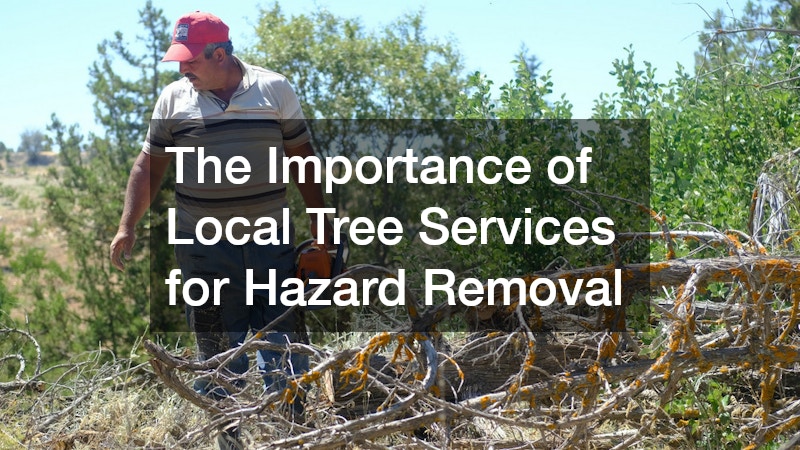
Tree hazards pose significant risks to property, safety, and the environment. Engaging local tree services for hazard removal is essential for maintaining a safe and healthy community. Learn more about the importance of these services and some of the most frequently asked questions regarding tree hazard management.
Common Types of Tree Hazards
In any community, trees can present various hazards that homeowners and municipal services must be aware of. One of the most common types of tree hazards includes dead branches, which can fall unexpectedly and cause injury to people or damage to property. These branches, referred to as “widow makers,” are often difficult to see from the ground but can lead to significant risks when they break off due to wind or decay.
Another serious hazard involves diseased trees, which can pose a significant threat not just to your property but to the surrounding environment. Trees infected with fungi, pests, or diseases often exhibit symptoms that can escalate quickly if not addressed. The spread of disease can affect the entire ecosystem, impacting local flora and fauna and causing further ecological imbalances.
Additionally, trees that are at risk of falling, often due to root issues or instability from severe weather, can endanger your home and neighboring properties. These trees may lean, show cracks in the trunk, or have an unusually large number of branches on one side. Identifying and addressing these trees promptly is crucial before they become a liability.
Local Tree Service Advantages
Hiring local tree services has numerous benefits that enhance safety and community well-being. One of the key advantages is the accessibility these services provide, allowing for quicker response times in emergencies or urgent situations. Local tree service professionals are typically more familiar with their areas and can reach job sites faster than non-local companies.
Another significant benefit of employing local tree services is their knowledge of local regulations and ordinances related to tree removal and care. Each municipality might have different rules regarding tree preservation and removal; thus, local experts can navigate these regulations to ensure compliance and avoid potential fines. Their understanding of local guidelines is invaluable to homeowners who may not be familiar with the legalities involved.
Moreover, supportive relationships with the community amplify the importance of local tree services. These providers often invest in the community’s long-term health, demonstrating their commitment to maintaining safe and green spaces. Residents are more likely to establish trust with local professionals, which often results in better communication and service quality when it comes to managing hazard removal.
Hazardous Trees and Their Risks
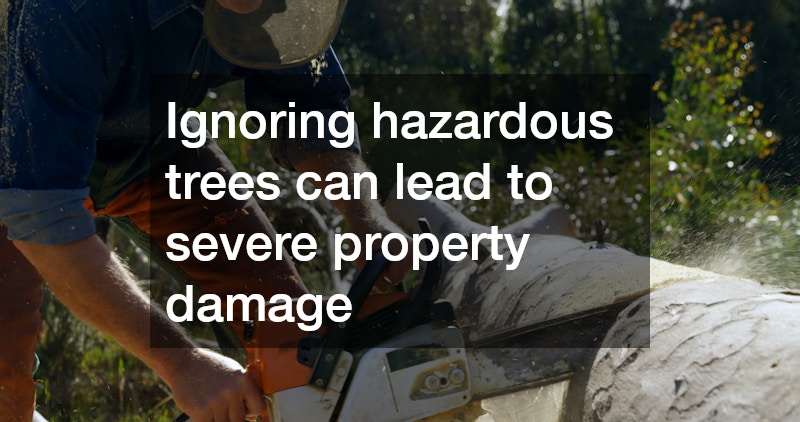
Ignoring hazardous trees can lead to severe property damage, with risks that extend beyond just the immediate area. A falling tree can crush vehicles, damage roofs, or take down power lines, leading to significant repair costs and insurance claims. The financial implications alone can be substantial and may strain the homeowner’s budget or increase premiums for everyone in the area.
Personal injury is another grave risk associated with not addressing tree hazards. The potential for accidents rises dramatically when hazardous trees are left in place, especially during storms or high winds. Injuries can vary from minor cuts and bruises to severe trauma, which may even result in hospitalization or disability, highlighting the importance of timely hazard identification and removal.
Furthermore, there are long-term ecological effects that arise from failing to remove hazardous trees. These trees can contribute to ecological imbalances by attracting pests that may affect other plant and tree species in the area. Over time, neglecting the health and safety of trees can degrade local biodiversity, affect soil health, and alter water drainage patterns, leading to broader environmental issues.
Professional Tree Assessment
Local tree services often employ systematic processes to assess tree hazards, beginning with an initial inspection to identify visible signs of risk. Professionals usually evaluate the tree’s health through a visual assessment, looking for symptoms of disease, pest infestations, or structural weaknesses such as cracks in the trunk or large, dead branches. This first look is crucial for immediate risk determination.
After the initial visual inspection, tree professionals use specialized techniques and equipment to conduct a more in-depth evaluation. Techniques may include checking the root system for stability, assessing the soil around the tree’s base, and sometimes using tools like sonic tomography to evaluate the internal structure of the tree. This thorough examination allows for a comprehensive assessment of the potential hazards.
Finally, professionals utilize specific criteria and guidelines to determine the appropriate course of action for hazardous trees. Factors such as the tree’s location, overall health, and the potential impact on surrounding structures and individuals are taken into account. This careful consideration ensures that the decisions made are not only safe but also environmentally responsible, striking a balance between community safety and ecological preservation.
Engaging local tree services for hazard removal is crucial for ensuring safety and environmental health. By understanding the types of tree hazards, recognizing the importance of local expertise, and understanding the removal process, homeowners can make informed decisions that protect their property and community. Connecting with local professionals not only enhances individual safety but also nurtures a culture of environmental stewardship within the community.