Turning an Ordinary Yard Into a More Livable Space
A backyard can be much more than an empty patch of grass behind the house. With thoughtful planning and the right upgrades, it can become a place for relaxing, entertaining, gardening, dining, or spending time with family. Even smaller yards can feel more functional when the space is organized around how people actually use it every day.
The best outdoor spaces usually combine comfort, practicality, and long-term maintenance. A seating area may need shade during hot afternoons. A lawn may need healthier soil to handle kids and pets. A patio may need better drainage to stay usable after rain. Instead of treating each project separately, homeowners can create a backyard that feels connected and easier to enjoy throughout the year.
This guide covers practical backyard projects that can improve comfort, appearance, and everyday use while helping homeowners make smarter decisions before starting work.
Plan the Space Around Everyday Activities
Before adding plants, patios, or decorative features, it helps to think about how the backyard will actually be used. Some homeowners want a quiet place to relax. Others need room for outdoor dining, children’s play areas, pets, or gardening. A space that works well for one family may not work well for another.
A thoughtful backyard design starts with identifying priorities. Homeowners should walk through the yard and look at sunlight, drainage, slopes, privacy, and how people naturally move through the space. For example, if guests regularly walk from the back door to a seating area, that path should feel easy and natural instead of awkward or crowded.
Dividing the yard into zones can make it more functional. A patio may serve as the gathering area while another section becomes a garden or open lawn space. Creating separate areas can also prevent the yard from feeling cluttered.
Sketching a rough layout before starting any project is helpful. Even a simple drawing can help homeowners decide where furniture, pathways, gardens, and seating areas should go. Planning early often prevents expensive changes later.
Strengthen the Lawn Before Adding New Features
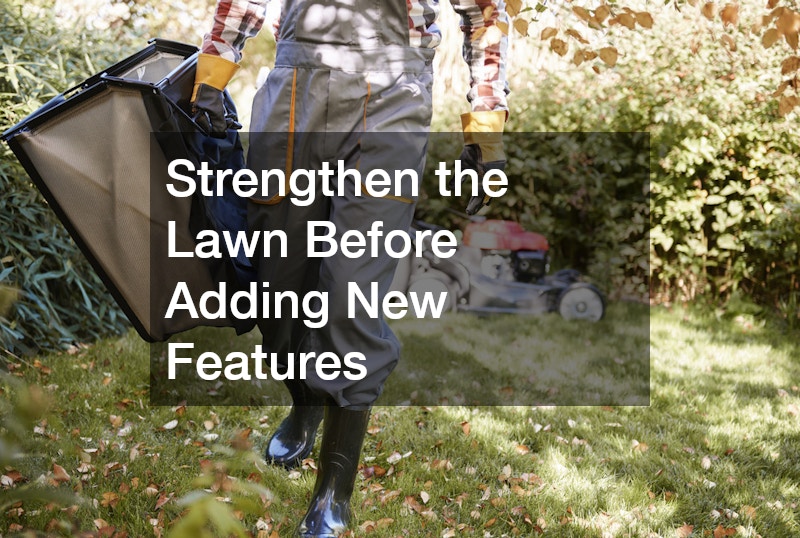
A healthy lawn creates a cleaner and more welcoming backyard. Thin or damaged grass can make the entire outdoor space feel unfinished, even when other upgrades look great.
Basic lawn care starts with mowing properly. Cutting grass too short may weaken the roots and make the lawn more vulnerable to heat and weeds. Watering also matters. Instead of watering lightly every day, deeper watering a few times a week is often more effective for root growth.
Homeowners should also pay attention to wear patterns. Grass near patios, gates, and walkways often becomes damaged first because of heavy foot traffic. If these areas constantly struggle, adding stepping stones, pathways, or mulch borders may help reduce stress on the lawn.
The condition of the soil also affects long-term lawn health. Compacted soil, poor drainage, or nutrient deficiencies can all lead to weak grass growth. Addressing these issues before adding new backyard features creates a stronger foundation for the entire space.
Repair Bare Areas for a Cleaner Appearance
Patchy grass can quickly make a backyard look neglected. Bare areas often develop because of pets, drought, heavy use, shade, or poor soil conditions. Even a few thin spots can stand out once patios, furniture, or landscaping upgrades are added nearby.
Smaller patches may be repaired with spot seeding, but larger damaged areas often require more attention. In some cases, a grass seeding service may help homeowners restore even growth more efficiently. Professionals can recommend the right seed type based on climate, sun exposure, and lawn use.
Preparation matters before new seed is added. Loose soil allows better seed-to-soil contact and improves the chances of successful growth. Homeowners should remove dead grass, loosen compacted areas, and keep the surface consistently moist during the early growing stage.
It is also important to protect newly seeded areas from heavy foot traffic. Walking across fresh seed too early may reduce growth and create uneven patches again. Patience during the first few weeks often leads to stronger results later.
Improve Soil Conditions for Stronger Growth
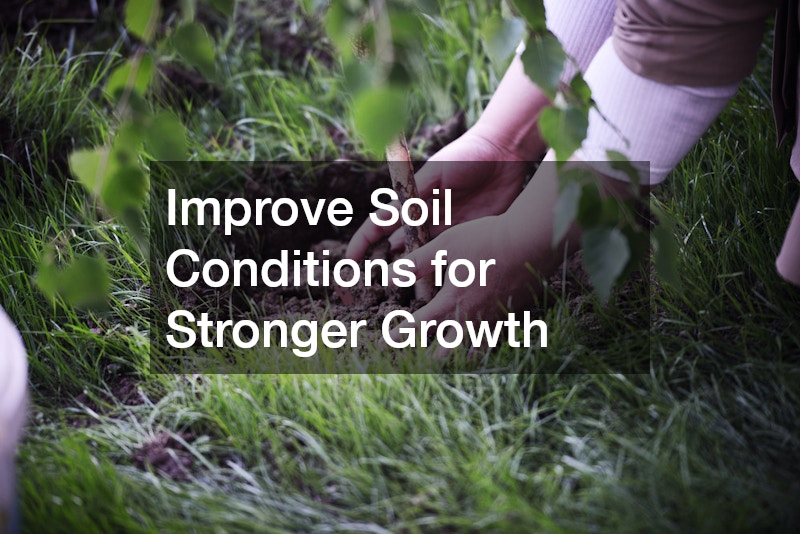
Sometimes the issue is not the grass itself but the soil underneath it. Soil can become compacted over time from foot traffic, mowing equipment, pets, or repeated rainfall. When this happens, water and nutrients struggle to reach the roots.
One common solution is lawn aeration. This process creates small openings in the soil so air, moisture, and nutrients can move more freely underground. Healthier roots often lead to thicker and more durable grass.
Signs of compacted soil may include water pooling after rain, thinning grass, or areas that feel unusually hard underfoot. Aeration can be especially helpful in yards that receive frequent use from children, pets, or outdoor entertaining.
Many homeowners combine aeration with overseeding because the openings in the soil create better contact for new grass seed. Timing matters as well. Aeration should usually happen during the strongest growing season for the specific grass type in the yard.
Improving root health helps support a backyard that can handle regular outdoor activity without looking worn down too quickly.
Choose Plants and Materials That Fit the Environment
Plants can soften hard surfaces and make a backyard feel more inviting. However, choosing the wrong plants often leads to frustration, higher maintenance, and wasted money.
Visiting a local garden center can help homeowners select plants that match their climate, sunlight conditions, and maintenance preferences. Some plants thrive in direct sunlight, while others struggle without shade. Matching plants to the environment usually produces better long-term results.
In addition to plants, homeowners often need mulch, edging, soil, fertilizer, containers, or tools to complete outdoor projects. A lawn and garden supply store can help provide materials that support both appearance and maintenance.
Grouping plants with similar water and sunlight needs can make care easier throughout the year. Native or drought-tolerant plants may also reduce watering needs in some regions.
It is also important to think about mature plant size. A small shrub may eventually block walkways or crowd patios if planted too closely. Planning for future growth helps the backyard stay balanced over time.
Build a Comfortable Area for Gathering Outdoors
For many homeowners, the patio becomes the center of outdoor living. It creates a place for dining, relaxing, grilling, or entertaining guests. A well-placed patio can also improve how people move between the home and the yard.
The size of the patio should match how it will be used. A small seating area may only need room for a few chairs, while a dining space may require enough clearance for tables, walkways, and outdoor cooking equipment.
Drainage is one of the most important parts of patio planning. Water should move away from the house instead of pooling around the surface. Proper grading and base preparation help reduce shifting, cracking, and long-term maintenance issues.
For larger or more complex projects, working with a patio builder may help homeowners avoid costly mistakes. Professionals can assist with layout planning, material selection, drainage considerations, and installation techniques.
Location matters too. A patio placed close to the kitchen or main entrance often feels more convenient for daily use and entertaining.
Add Shade Where It Will Be Used Most
Outdoor spaces become less enjoyable when there is no relief from direct sunlight. Shade can make patios, seating areas, and gathering spaces more comfortable during warmer months.
One practical option is adding awnings over key areas of the backyard. Shade structures can help reduce heat exposure while making outdoor furniture and surfaces more usable during the day.
Placement is important. Instead of shading unused corners of the yard, homeowners should focus on areas where people actually spend time. Observing how sunlight moves across the yard throughout the day can help determine the best location.
Some homeowners prefer fixed shade structures for consistent coverage, while others choose retractable options for flexibility. Material, size, and wind exposure should also be considered before installation.
Shade can also help protect outdoor furniture, rugs, and decorative items from excessive sun exposure. This may help reduce fading and weather-related wear over time.
Make Outdoor Areas More Comfortable in Different Weather
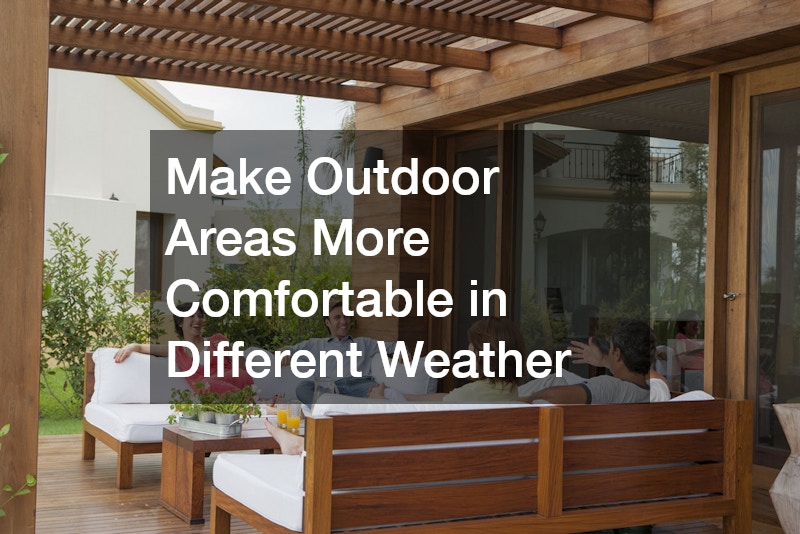
Weather and insects can limit how often a backyard gets used. Strong sun, mosquitoes, falling leaves, and rain may cause homeowners to spend less time outdoors than they expected.
One way to improve usability is through patio screen enclosures. Screened spaces allow airflow while creating a more protected environment for relaxing or entertaining. They can also help reduce insects and debris around seating and dining areas.
Before enclosing a patio, homeowners should think carefully about furniture layout, lighting, and traffic flow. The space should still feel open and comfortable instead of crowded.
Views also matter. A screened area should take advantage of the best parts of the yard whenever possible. Positioning furniture toward gardens, landscaping, or open lawn areas can make the enclosure feel more connected to the outdoors.
Depending on the size and structure of the project, local permits or building guidelines may apply. Checking these details early can help avoid delays during installation.
Improve Privacy and Create Better Boundaries

Privacy can completely change how comfortable a backyard feels. Even a beautiful patio may feel less relaxing if neighboring homes overlook the space too closely. Many homeowners want their outdoor area to feel calm and separated from nearby traffic, noise, or surrounding properties. Creating a greater sense of privacy can make the backyard feel more welcoming for family dinners, quiet mornings, outdoor entertaining, or simply relaxing after a long day.
Fencing is one of the most common ways to create clearer boundaries and improve privacy. Different materials offer different benefits depending on appearance, durability, maintenance, and budget. The right fence should match both the style of the home and the practical needs of the household. Some homeowners prefer full privacy, while others want a more open appearance that still defines the edge of the property.
Wood fences often provide a natural look and strong privacy, while vinyl options may require less maintenance. Metal fencing can create a more open appearance while still defining property lines. Some homeowners combine fencing with shrubs or climbing plants for a softer visual effect. Greenery can also help reduce the hard appearance of large fence panels while adding color and texture to the yard. Taller plants placed near seating areas may create a more secluded atmosphere without making the space feel closed in.
Before starting a fence project, homeowners should verify property lines and review local regulations or HOA guidelines. Planning ahead may prevent disagreements or costly adjustments later. Privacy improvements can also help define separate zones within the backyard. A fenced garden area, pet section, or quiet seating space can make the yard feel more organized and intentional.
Bring Every Backyard Feature Together Thoughtfully
The most successful outdoor spaces feel connected instead of pieced together. Patios, lawns, plants, pathways, shade structures, and privacy features should support one another visually and functionally.
A complete backyard design helps homeowners choose materials, colors, textures, and layouts that work together naturally. For example, a modern patio style may pair better with cleaner plant lines and simpler fencing choices, while a rustic patio may feel more balanced with natural stone and layered landscaping.
Transitions between spaces also matter. Walkways, lighting, edging, and furniture placement can guide movement through the yard and make the layout easier to navigate.
In some cases, a patio builder may also help connect paved areas with gardens, steps, or lawn sections in a way that feels smooth and practical. This can be especially helpful in sloped or uneven yards where drainage and elevation changes need attention.
When each project supports the larger layout, the backyard often feels more comfortable, usable, and visually balanced.
Creating an Outdoor Space That Works Long-Term
Improving a backyard does not always require a complete renovation all at once. Many of the best outdoor spaces develop gradually through thoughtful upgrades over time. Starting with a clear plan helps homeowners focus on projects that improve comfort, appearance, and everyday use without creating unnecessary work later.
Healthy lawns, comfortable seating areas, shade, privacy, and durable materials all contribute to a better outdoor living experience. By paying attention to how the space is used and choosing projects that support those needs, homeowners can create a backyard that feels welcoming throughout the seasons.
Even small improvements can make a noticeable difference when they are planned carefully and connected thoughtfully. Over time, those upgrades can turn an ordinary yard into a space that feels like a natural extension of the home.