
The excitement of planning a comprehensive backyard transformation is often matched by the logistical anxiety of executing it. Homeowners frequently approach a major outdoor remodel by selecting beautiful features—a sparkling pool, an outdoor kitchen, lush flower beds, and custom stone terraces—without considering how these components physically come together on site. Without a strict, masterfully coordinated project sequence, the dream of a private paradise can quickly devolve into an expensive nightmare marked by scheduling conflicts, damaged materials, and frustrated contractors who are constantly working on top of one another.
The secret to a stress-free and financially efficient backyard renovation lies in a concept known as trade sequencing. This is the precise art of scheduling different specialists in an exact, logical order so that no completed work is ever disrupted, dirtied, or destroyed by a subsequent phase of construction. For instance, laying down premium stone paving or pristine turf before finishing major overhead carpentry or heavy soil excavation is a recipe for catastrophic damage. Heavy machinery, accidental tool drops, and muddy foot traffic will instantly compromise your new investments.
By taking the time to understand the structural timeline of a comprehensive outdoor build, you transform yourself from a passive observer into an organized, proactive project manager. This guide provides a clear, step-by-step framework designed to take you from initial demolition through the messy phases of construction, all the way to the final styling choices. With a clear roadmap in hand, you can successfully protect your budget, maintain your sanity, and build an enduring retreat that functions beautifully for decades.
Step 1: Heavy Excavation and Structural Groundwork

Every successful backyard renovation begins with the loudest, messiest, and most destructive phase: earthmoving. Before any aesthetic features can be introduced, the physical landscape must be shaped to accommodate them. This requires a deep dive into property surveys, municipal zoning laws, easement restrictions, and underground utility mapping. Skipping the step of clearing subterranean infrastructure can lead to devastating service disruptions or severe legal penalties if you accidentally breach a main line.
Once your permits are secured, the focus shifts to the largest structural element of the modern backyard design, which is typically a custom swimming feature. This subgrade construction dictates the pace of the entire property transformation.
- Begin by vetting highly rated local pool builders who possess specific engineering expertise in your region’s soil composition, as unstable ground requires specialized retaining structures.
- Establish clear access channels through your property that can easily accommodate heavy dump trucks, mini-excavators, and concrete transit mixers without damaging neighboring properties.
- Work closely with premium pool installation services to outline a highly detailed timeline for the rough excavation, steel rebar framework placement, and initial plumbing runs.
- Ensure that all underground electrical conduits for future water pumps, built-in automation panels, and integrated heating elements are trenched and inspected during this open-ground phase.
During this stage, your yard will look entirely ruined, which is a completely normal part of the luxury renovation journey. It is critical to let your primary aquatic builders finish their heavy shotcrete or gunite shell applications before allowing any secondary trades onto the property, as the dust, vibration, and debris from pool building will interfere with finer detailed work.
Step 2: Architectural Adjustments and Perimeter Prep
Once the primary subterranean structures are securely set, the focus shifts to the immediate exterior of your home and the vertical boundaries of your property. It is a common mistake to finish the landscape styling first, only to realize later that the back wall of the house looks dated, or that workers need to trample your new garden beds to repair an upper-level window or a gutter line. Any work requiring scaffolding, heavy ladders, or messy adhesive applications should happen now.
Addressing the rear facade of your home ensures that the backdrop of your new outdoor living room perfectly matches the elegance of the landscape stretching out before it.
- Examine the state of your home’s exterior cladding to ensure it provides a waterproof, structurally sound, and beautiful shield against the elements.
- Coordinate with professional local home siding contractors to update worn exterior panels, add modern fiber-cement boards, or install elegant stone veneers before building adjoining structures.
- Determine your shade requirements early to protect lounging areas from the intense afternoon summer sun and create a comfortable microclimate.
- Consult with specialized awning services to install permanent architectural shade sails, motorized louvered pergolas, or retractable fabric covers over your future dining spaces.
By completing these vertical and overhead architectural elements during this specific window, you eliminate the risk of dropping heavy tools, paint, or building materials onto finished stone patios or delicate pool surfaces. This step establishes a clean, fully updated architectural anchor from which the rest of your yard can beautifully unfold.
Step 3: Integrating Eco-Conscious Materials and Clearing Waste
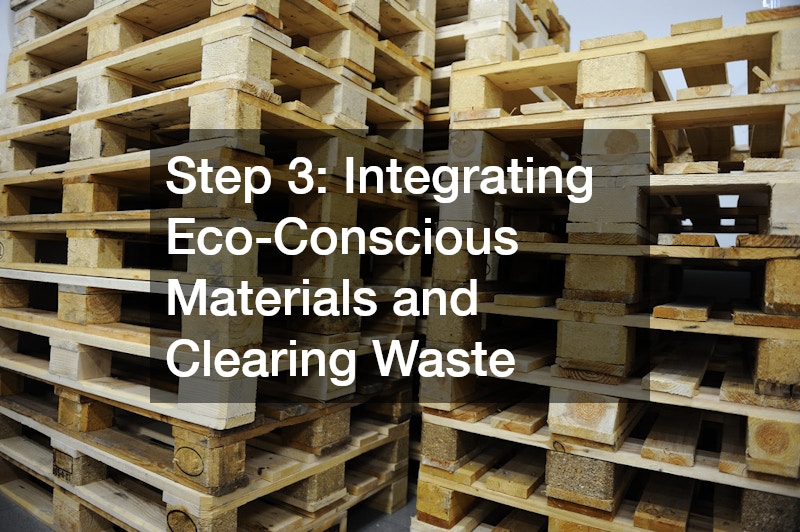
With the main house facade updated and the pool shell set, you enter the phase of secondary hardscaping and structural carpentry. This is where features like raised garden beds, custom outdoor bars, privacy screens, and decorative feature walls are erected. Modern luxury design heavily emphasizes the use of rich textures and sustainable materials to give the yard an established, organic character that feels deeply connected to nature.
Logistics during this phase can become complicated because of the sheer volume of raw building materials arriving on site. Managing the flow of incoming timber and outgoing construction waste is crucial for keeping the job moving forward safely.
- Incorporate sustainable, character-rich elements into your structures by utilizing custom reclaimed wood services for features like rustic accent walls, custom mantlepieces, or exposed beam work.
- Select highly durable, weather-resistant wood species like cedar, white oak, or reclaimed barn timber that can withstand moisture exposure without warping or rotting prematurely.
- Designate a centralized, organized staging area in your driveway or front yard for all incoming bulk deliveries to keep the active workspace clean.
- Partner with a sustainable waste disposal company that provides wood pallet recycling to efficiently manage the massive collection of shipping platforms that accumulate as stone and timber arrive.
Maintaining a clean site directly translates to a faster, safer build. When workers aren’t constantly climbing over discarded packaging or stray wood cutoffs, their efficiency skyrockets. By treating construction waste management as a critical priority rather than an afterthought, you reduce hazards and maintain a highly organized project timeline.
Step 4: Vertical Landscaping and Specimen Placement
With the hard structural elements firmly established, your backyard is finally ready for the introduction of living elements. However, jumping straight into planting small, delicate flowers is a major mistake. Landscaping must be executed from the top down, starting with the tallest canopy trees, moving to mid-sized privacy hedges, and finishing with low-lying ornamental shrubs and ground covers.
Before introducing any new flora, you must audit the existing greenery on your property to ensure it does not pose a threat to your new hardscaping or pool investments.
- Examine the health of mature trees on your lot to identify dangerous overhanging limbs, compromised root systems, or dead wood that could snap during a summer storm.
- Hire a certified arborist to perform comprehensive tree maintenance, pruning back the high canopy to let optimal sunlight reach your new pool deck while clearing out invasive roots.
- Map out your garden beds based on precise sun exposure calculations, ensuring that sun-loving plants and shade-tolerant species are placed correctly.
- Collaborate with an experienced horticultural team at a local garden center to source fully acclimated native plants, structural shrubs, and pollinator-friendly perennial borders.
By purchasing your flora from regional specialists, you ensure that the plants possess a robust root system capable of handling your specific local soil chemistry. Planting the large specimen trees first ensures that the heavy equipment needed to transport them won’t crush smaller bushes or delicate irrigation systems installed later in the process.
Step 5: Utility Integration and Finishing Touches
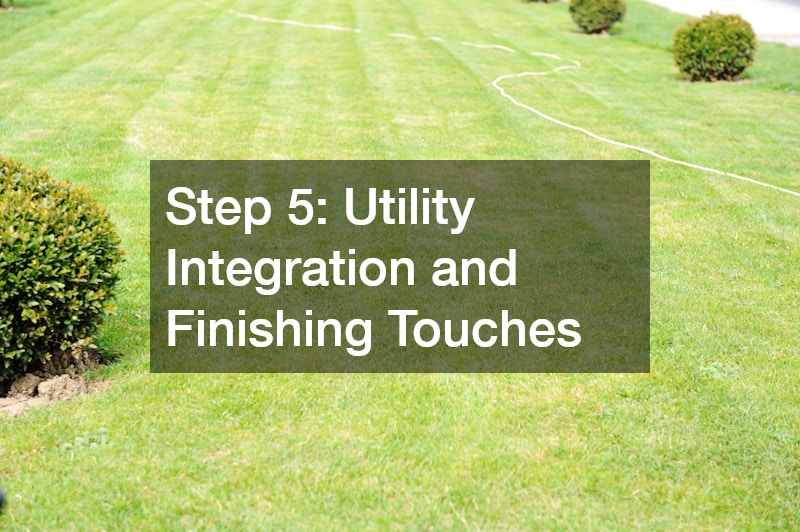
The final phase of a seamless backyard renovation brings together the critical utilities that drive convenience and evening ambiance. This is the moment to install low-voltage electrical systems, finalize irrigation drip lines, and lay down the final living surface that stitches the entire yard together into a beautiful, cohesive tapestry.
Lighting design is the ultimate tool for extending the usability of your outdoor oasis long after the sun sets, transforming the space into a dramatic evening retreat.
- Trench for all low-voltage wires through your garden beds before applying the final layer of decorative mulch or organic topsoil.
- Position high-quality outdoor LED lights at the base of architectural trees, along step treads for maximum safety, and beneath the caps of stone retaining walls.
- Test your automated irrigation system extensively to ensure that every sprinkler head and drip emitter provides optimal coverage without spraying your seating areas or pool water.
- Schedule a highly skilled team for professional sod installation to lay down fresh, vibrant turf that instantly conceals the remaining construction scars of the yard.
The lawn must always be the absolute last element introduced to the property. Because fresh turf requires intense, daily watering to allow its roots to bind deeply with the subsoil, the ground will be incredibly soft and vulnerable for several weeks. By ensuring that all contractors have completely finished their work and exited the property before the grass is laid down, you protect your new lawn from deep, unsightly ruts and compaction damage.
Optimizing the Construction Flow With Master Scheduling
To help visual learners fully grasp how these different phases overlap, it is incredibly beneficial to look at the project through a strict timeline approach. Managing independent trade crews and setting milestones is the cornerstone of project optimization.
The “critical path” represents the sequence of dependent tasks that determines the minimum time needed to complete a job. In a backyard build, the pool shell anchors this path. Hardscaping cannot finish until the pool coping is set; landscaping cannot finish until hardscaping defines the garden bed borders; and the lawn cannot go in until landscaping is complete. Understanding this chain of dependencies allows you to schedule workers efficiently, preventing costly project downtime.
Essential Project Management Checklist

Phase 1: Verification and Clearances
Before machinery arrives, secure certified property surveys to clearly illustrate your official boundary lines and easements. File detailed engineering plans with your building department to obtain all necessary structural, plumbing, and electrical permits. Contact utility protection services to flag buried lines before breaking ground. Take comprehensive pre-construction photographs of driveways, sidewalks, and fencing to track any accidental damage caused by heavy delivery trucks during construction.
Phase 2: Subgrade Engineering
This phase focuses entirely on heavy work beneath the surface. Contractors will bring in equipment to excavate the pool cavity, level the slopes of your property, and trench for retaining walls. Plumbers and electricians will then lay thick PVC piping for the filtration loops, main drains, and electrical conduits. Reinforced concrete foundations must be poured for heavy features like fireplaces, outdoor kitchens, or pavilion pillars. Finally, workers spray the gunite pool lining, which must cure completely under strict moisture monitoring.
Phase 3: Structural Carpentry and Facade Updates
Construction now rises above the ground to focus on framing and home exterior modifications. Complete all major siding repairs, cladding updates, or stone veneer installations on the rear walls of your home while the yard is still a construction zone. Carpenters can then erect the heavy vertical posts and beams for custom features like pergolas, gazebos, or modern louvered roof systems. Concurrently, workers will install your privacy fencing, build stone boundary walls, and run utility connections for grills, fire pits, and entertainment systems.
Phase 4: Finish Surfaces and Softscapes
The final phase brings the high-end finishes, living elements, and delicate technology that complete the retreat. Artisans will lay down your stone pavers, set pool coping edges, and finish tile mosaics along the water line. A certified arborist should prune back existing tree limbs to remove dead wood and let sunlight reach your new deck. Once the canopy is clear, bury low-voltage wires for automated accent lighting, install flexible irrigation lines, and plant your specimen trees, privacy hedges, and flower borders. Laying fresh sod across the remaining open soil is the final step that locks the ground into place.
Conclusion
While managing a multi-faceted outdoor project requires patience, clear communication, and a high degree of organizational oversight, the ultimate payoff is truly extraordinary. You are not simply changing the appearance of your yard; you are engineering a custom living environment that expands the footprint of your home and dramatically enriches your daily lifestyle. With a well-structured plan in place, the construction dust will eventually settle, revealing a flawlessly integrated, resilient outdoor oasis perfectly tailored for relaxation, celebration, and summer enjoyment for many years to come.